The short answer
- Breaking no contact means reaching out to an ex after deciding not to. It happens, and it doesn't erase the days you already did.
- In the next hour, don't send a second message, don't over-explain, and put your phone somewhere out of reach for a while.
- Write down what set it off. That trigger is the most useful thing a slip can give you.
- Restart your count or keep it with a note. Either is fine. What matters is choosing the next day.
- If they replied, you don't owe a conversation. If they didn't, the silence isn't a verdict on you.
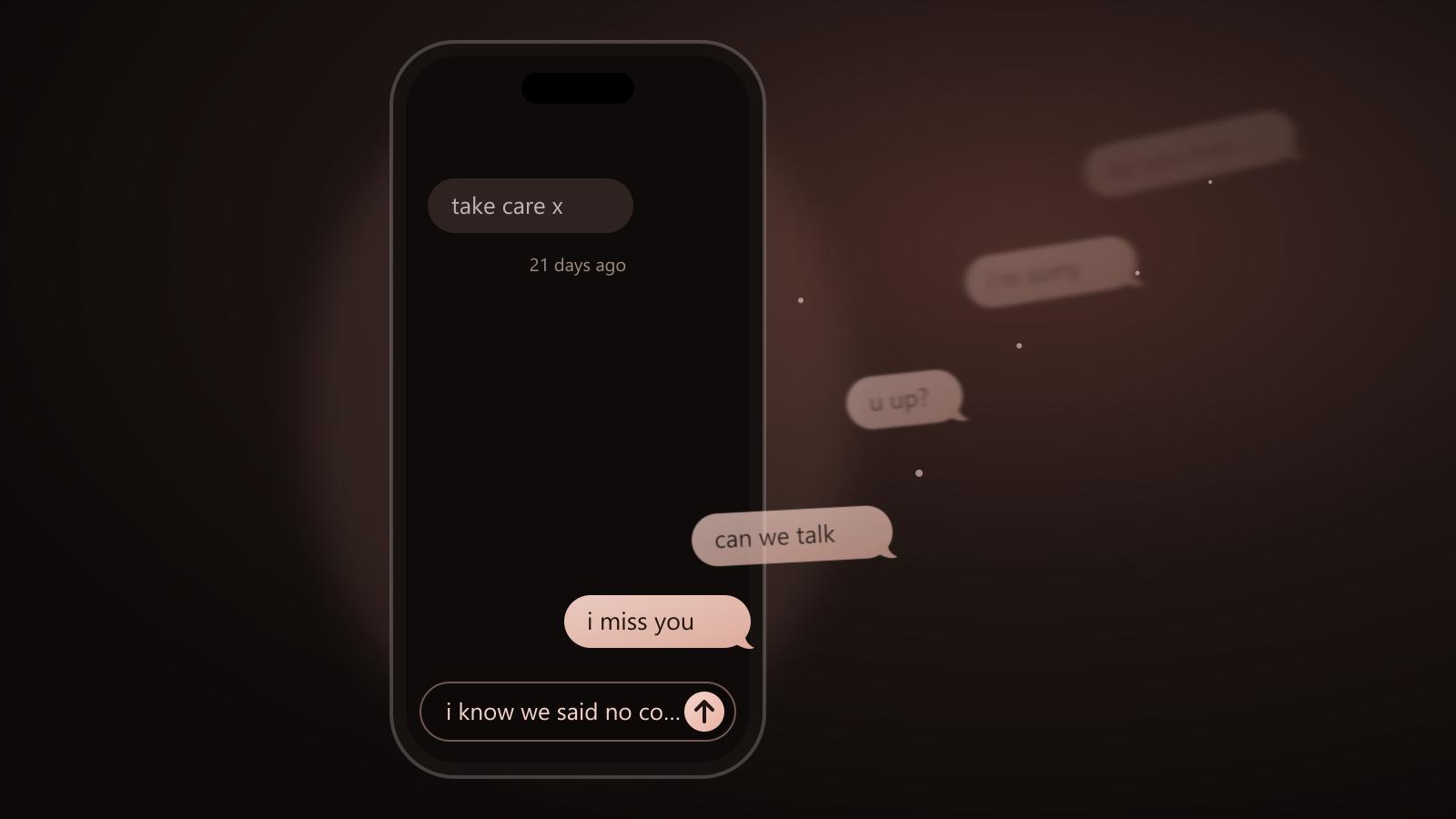
If you broke no contact, the first thing to know is that one message doesn’t undo the days you managed. Breaking no contact means reaching out to an ex after deciding not to: a text, a call, a like, a late-night “happy birthday.” It happens a lot, usually at a hard moment. What matters now is the next hour, not the last one.
Here’s what to do right now, whether to restart your count, and how to make the next slip less likely.
What does broke no contact mean?
Broke no contact means you made contact with your ex during a stretch where you’d decided not to. That includes the obvious things, like a text or a call, and the small ones: liking a post, replying to a story, asking a mutual friend to pass something on.
It also covers replying when they reach out, if you’d planned not to. The exception is practical contact you can’t avoid, like arranging a pickup with a co-parent or returning keys. That’s low contact, not a slip. Our guide to the no contact rule covers where the line sits.
Why do people break no contact with an ex?
Because the pull is real. In a brain-imaging study of people recently rejected by a partner they still loved, looking at a photo of the ex activated brain systems linked with reward, motivation and craving, including systems involved in addiction. That doesn’t make you weak or broken. It helps explain why the urge can feel so physical, and why it tends to win when you’re tired, lonely or a few drinks in.
Knowing that won’t undo the message. It might make it easier to treat yourself the way you’d treat a friend who’d done the same.
What should you do in the next hour?
Right after you’ve broken no contact, the goal is simple: stop it from turning into a conversation you didn’t plan. Work through these in order.
- Don’t send a second message. The second message is usually where it spirals: the follow-up, the “sorry, ignore that,” the long explanation. One message is a slip. Ten is a night you’ll replay.
- Don’t over-explain. You don’t need to justify why you reached out. Explaining invites a reply, and a reply invites another message.
- Put the phone somewhere else. Another room, a drawer, a friend’s hands. Log out of the app if you need to.
- Don’t dissect it. No screenshots to the group chat, no checking whether it’s been read, no rereading their last ten messages. Every look keeps you in the loop.
- Move your body for ten minutes. A walk, a shower, cold water on your face. Anything that changes the room you’re in.
- Write down what set it off. The time, where you were, what you’d just seen or heard, how you felt. Hungry, tired, lonely, scrolling, a song, their story. Keep it short.
That’s the follow-up that feels urgent and rarely helps. Write it somewhere it can’t be sent, and let it sit.
Should you restart your no contact count?
There are two honest ways to handle your count after a slip, and both are fine.
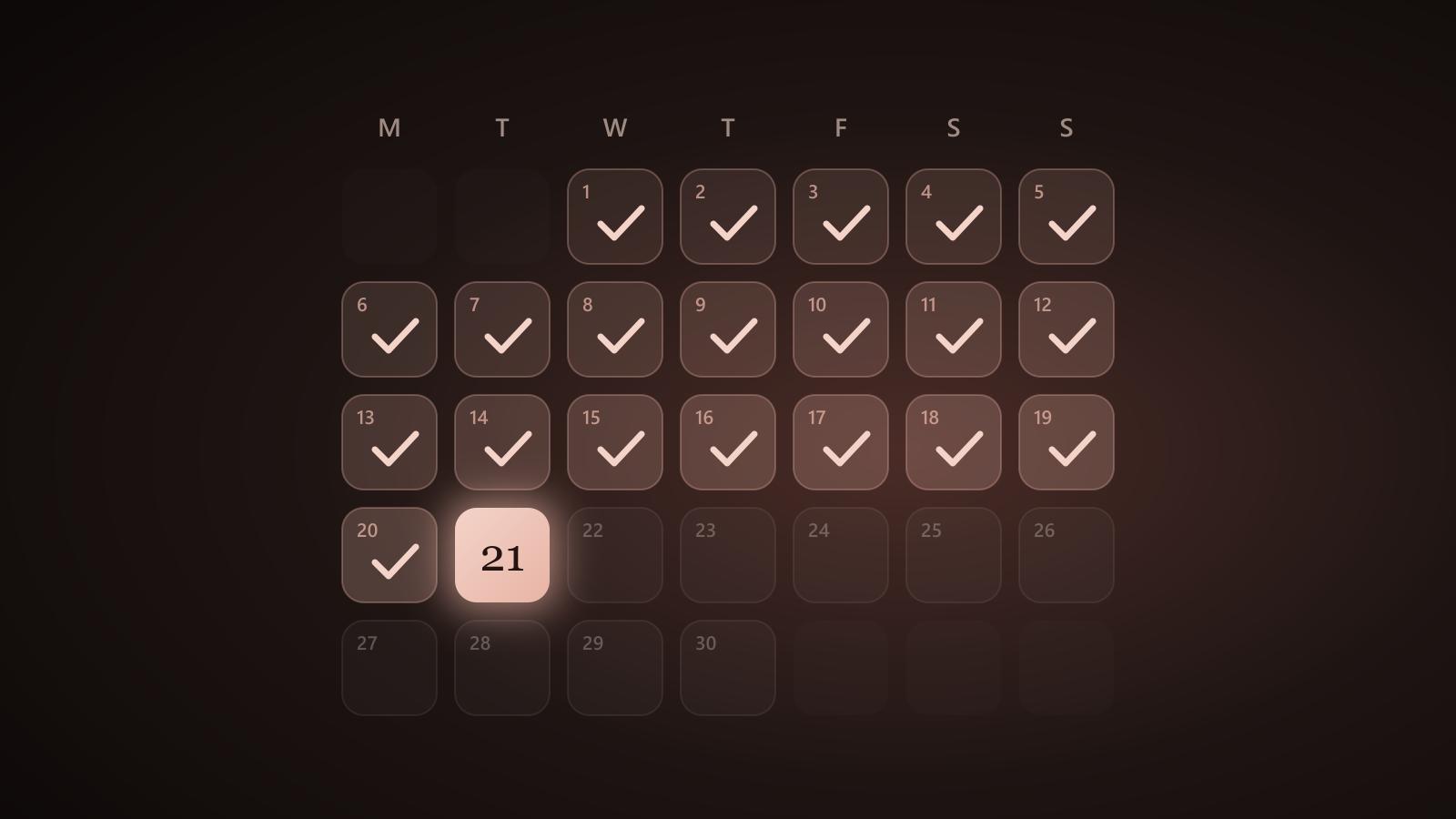
- Start again from day zero. Clean and clear. Some people find a fresh start motivating, and it keeps the count meaning exactly what it says.
- Keep your count and note the slip. The days before still happened, and wiping them can feel crushing. Write down the date and what triggered it, and carry on.
Pick the one that keeps you going, and decide now to use the same rule if it happens again, so you’re not negotiating with yourself at midnight. If you’re starting a new count, our free no contact day counter lets you set a fresh start date in a few seconds.
Does it matter when you broke no contact?
It feels like it does. In practice, the next step is the same either way.
Broke no contact after a week
If you broke no contact after a week, you’re in the stretch when the habit of reaching for your phone can be loudest. You used to tell this person everything, and that reflex doesn’t switch off in seven days. A short first count isn’t a failure. Pick a first milestone that’s close, like three days, and build from there.
Broke no contact after a month
If you broke no contact after a month, it can feel like a much bigger fall. It isn’t. A month of practice is still yours, and you’ve proved you can go weeks without them. Look at what was different that day: an anniversary, news about them, a quiet weekend, seeing them with someone new. That’s the trigger to plan around next time.
After longer than that
Further in, look for something specific that set it off rather than a general ache. Treat it as information about that moment, not as proof you haven’t moved on.
What if they replied, or didn’t?
If they replied
You don’t owe them a conversation. You can stop at any point, even mid-thread. If they were warm, it’s tempting to read a lot into it. Notice it, and don’t act on it tonight. If they were cold, it hurts, and it’s information, not a verdict on your worth.
Sometimes a reply is genuinely needed, for example when they’ve asked about something practical. Keep it short and close the door gently:
Thanks. I need some space right now, so I won’t be in touch for a while. I’ll leave your things with [friend’s name] on Saturday.
If they didn’t reply
Silence can feel worse than a reply. It’s still not a judgment of you. Don’t send a follow-up to check it arrived, and don’t read meaning into how fast they did or didn’t open it. Their silence can actually make the next day easier: there’s nothing to answer.
If you feel unsafe
If your ex was controlling, threatening or abusive, step back from the conversation, block them if you need to, and tell someone you trust. If you are in danger, contact emergency services now.
How do you make it less likely next time?
The slip already gave you the most useful thing it can: a clear picture of your trigger. Use it.
- Plan for that moment. If it was late at night, charge your phone outside the bedroom. If it was after drinking, give a friend your phone for the evening. If it was their story, mute them.
- Have a ten-minute plan. Urges tend to rise and then ease. Our guide on how to stop texting your ex has a step-by-step plan for getting through the wave.
- Write instead of send. Put the words somewhere they can’t reach your ex. Writing an unsent letter to your ex gives the feelings somewhere to go.
- Keep your reasons close. In Unsent, the Evidence Locker holds the reasons you left, and Rescue Mode is there for the moment you’re about to break no contact: breathe, remember why you started, or talk to Sage.
You reached out because you were hurting. That’s human. Put the phone down, take the next hour gently, and start again from here.
Sources
This article is general information written by the Unsent team, not therapy or professional advice. If you are struggling or feel unsafe, find a help line here.