The short answer
- The no contact rule means no texts, calls, DMs, likes, story views or check-ins with an ex for a set time, so your mind gets room to heal.
- It helps because a breakup can feel a lot like craving. Every check-in feeds that pull, and distance gives it a chance to quiet down.
- Start by choosing a date, muting or archiving their accounts, and telling one friend what you are doing and why.
- If you share children, work or a home, use low contact instead: short messages about logistics, and nothing else.
- It works best as something you do for yourself, not as a tactic to make an ex miss you.
The no contact rule is simple to say and hard to do: for a set stretch of time after a breakup, you don’t reach out to your ex in any way. No texts, calls, DMs, likes, story views or “just checking in.” The point isn’t to punish them or to win them back. It’s to give your own head enough quiet to heal.
This guide covers what the rule means, why it helps, what counts as contact, and how to start today, including what to do when full no contact isn’t possible.
What does the no contact rule mean?
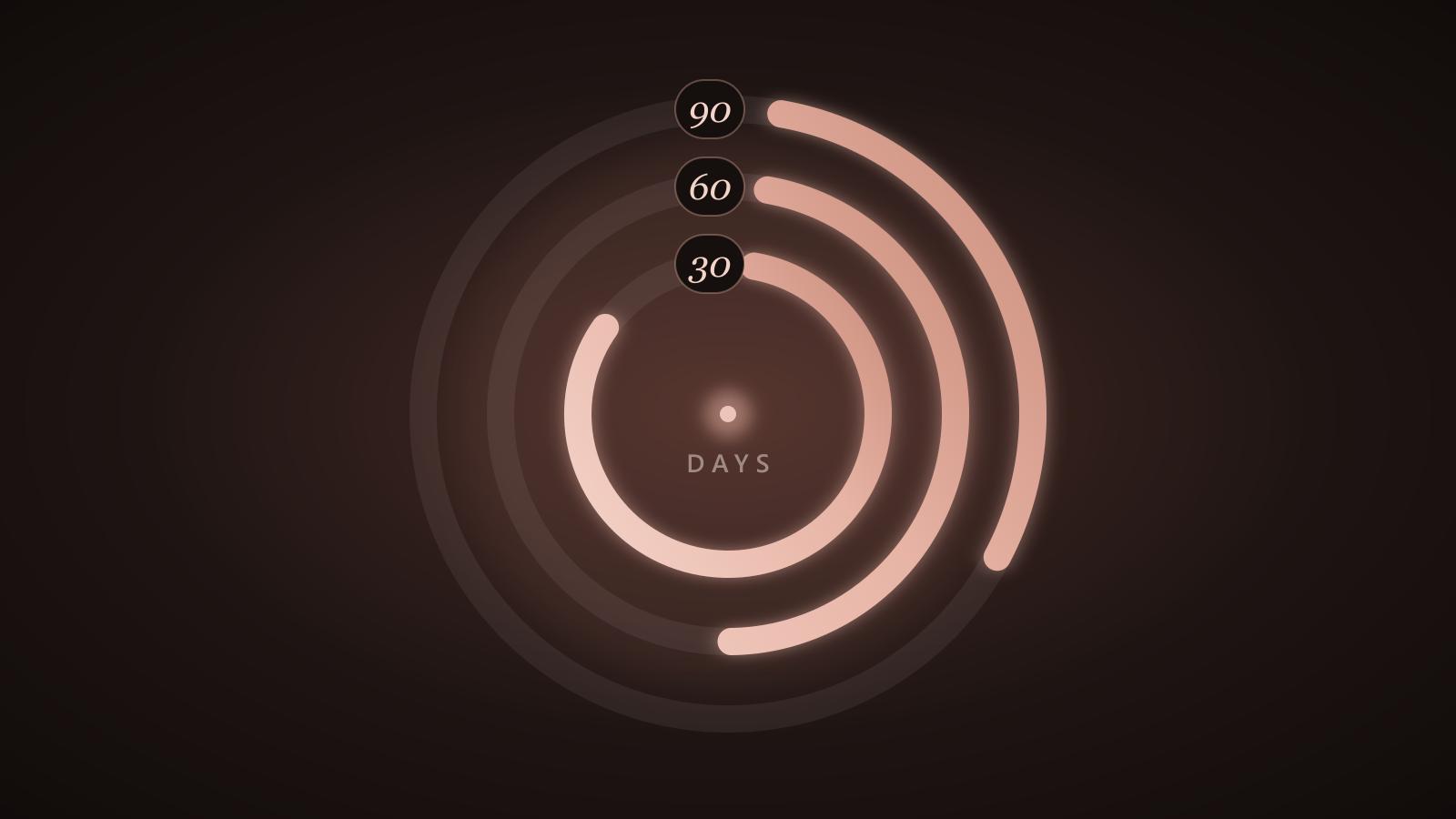
The no contact rule means you stop all contact with your ex for a period you choose, usually counted in days. Many people set a goal of 30, 60 or 90 days, then renew it. If you’re not sure how long to aim for, our guide on how long no contact should last compares the options.
“Contact” is broader than texting. It includes anything that keeps a line open between you, in either direction. The idea is to stop feeding the connection so the urge to reach out has a chance to fade.
It is a rule for you, not for them. You can’t control whether your ex gets in touch. You can control whether you reply, reach out, or go looking.
Why does the no contact rule help after a breakup?
The no contact rule after a breakup helps because the pull toward an ex can behave a lot like craving, and craving fades faster when it isn’t fed.
In a brain-imaging study of people recently rejected by a partner they still loved, looking at a photo of the ex activated brain systems linked with reward, motivation and craving, including systems involved in addiction. That doesn’t mean a breakup is an addiction. It may help explain why one text can feel like relief for a moment, and then leave you wanting the next one.
Checking up on an ex seems to keep the wound open too. A study found that people who kept checking an ex-partner’s Facebook reported more distress about the breakup, more longing for the ex and less personal growth. That’s a link, not proof that checking causes the distress. But it matches what many people notice: every look at their profile restarts the same loop.
Does the no contact rule work?
It depends on what you want it to do. If the goal is to feel steadier, sleep better and stop rereading old messages, distance gives you the best chance. If the goal is to get your ex back, nothing can promise that, and treating no contact as a strategy usually means you’re still watching them closely.
We’re not aware of any study that has tested a “30-day rule” or any fixed number of days. The case for no contact comes from the research above and from a simple idea: it’s hard to get over someone you’re still talking to.
What counts as contact?
More than you might think. During no contact, try to avoid all of these:
- Messages in any form: texts, calls, voice notes, emails, DMs, comments.
- Small signals: likes, reactions, watching their stories, replying to a story with an emoji. Story views are usually visible to the person who posted.
- Posts meant for them: a song lyric, a pointed quote or a photo you hope they see.
- Messages through friends: asking mutual friends how they are, or passing on “tell them I said hi.”
- “Accidental” run-ins: going to their gym, their coffee shop or a party you know they’ll be at.
- Excuses to talk: returning a hoodie, asking about a show you watched together, wishing them a happy birthday.
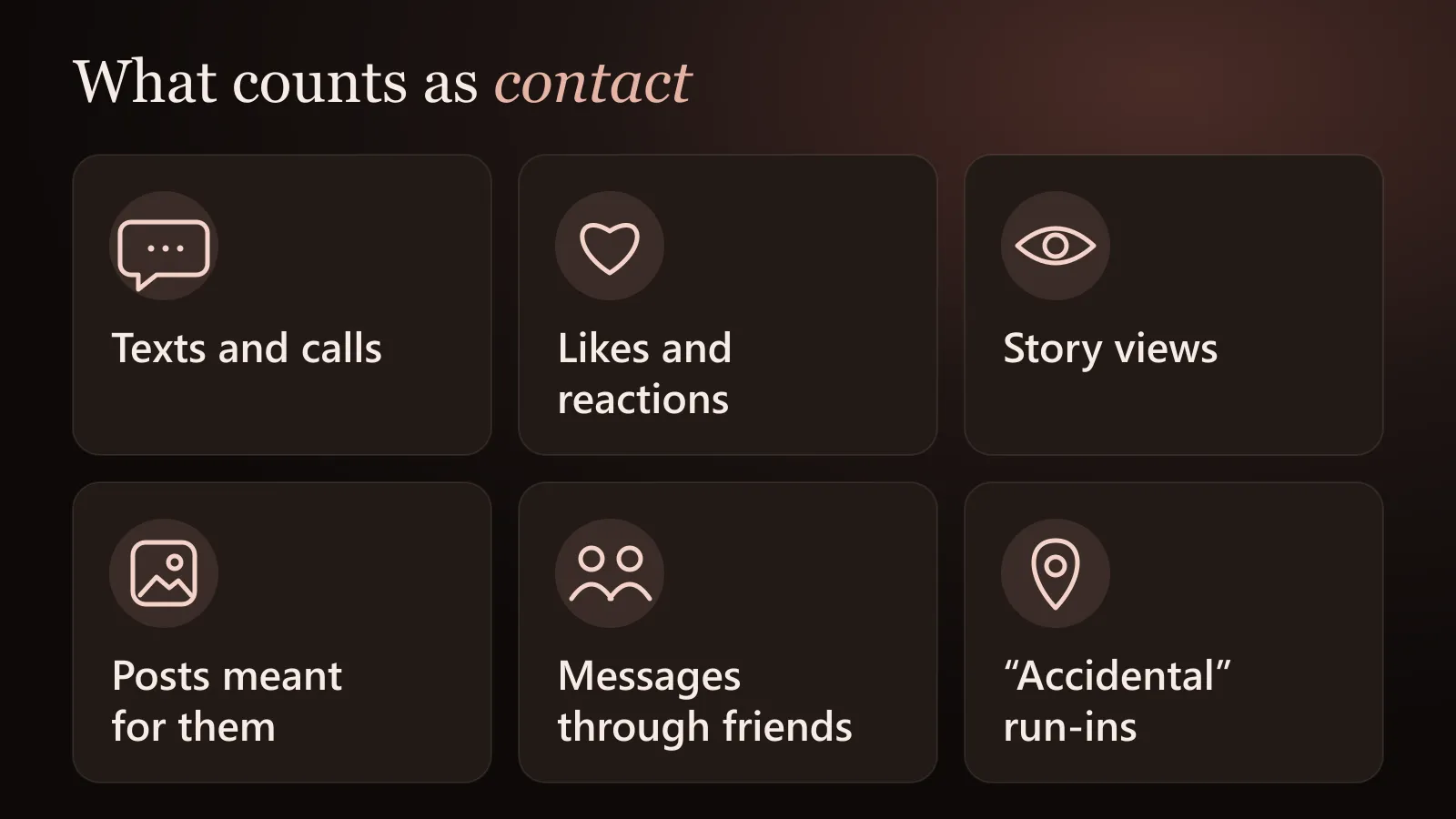
Illustration: the quieter kinds of contact count too.
Practical things still need sorting out, like keys, belongings or a shared bill. Handle them in one short message, or through a friend, and then let the thread go quiet.
How to go no contact with your ex: a first-day checklist
If you want to know how to go no contact with your ex, start with these steps. They take about an hour and make the next few weeks much easier.
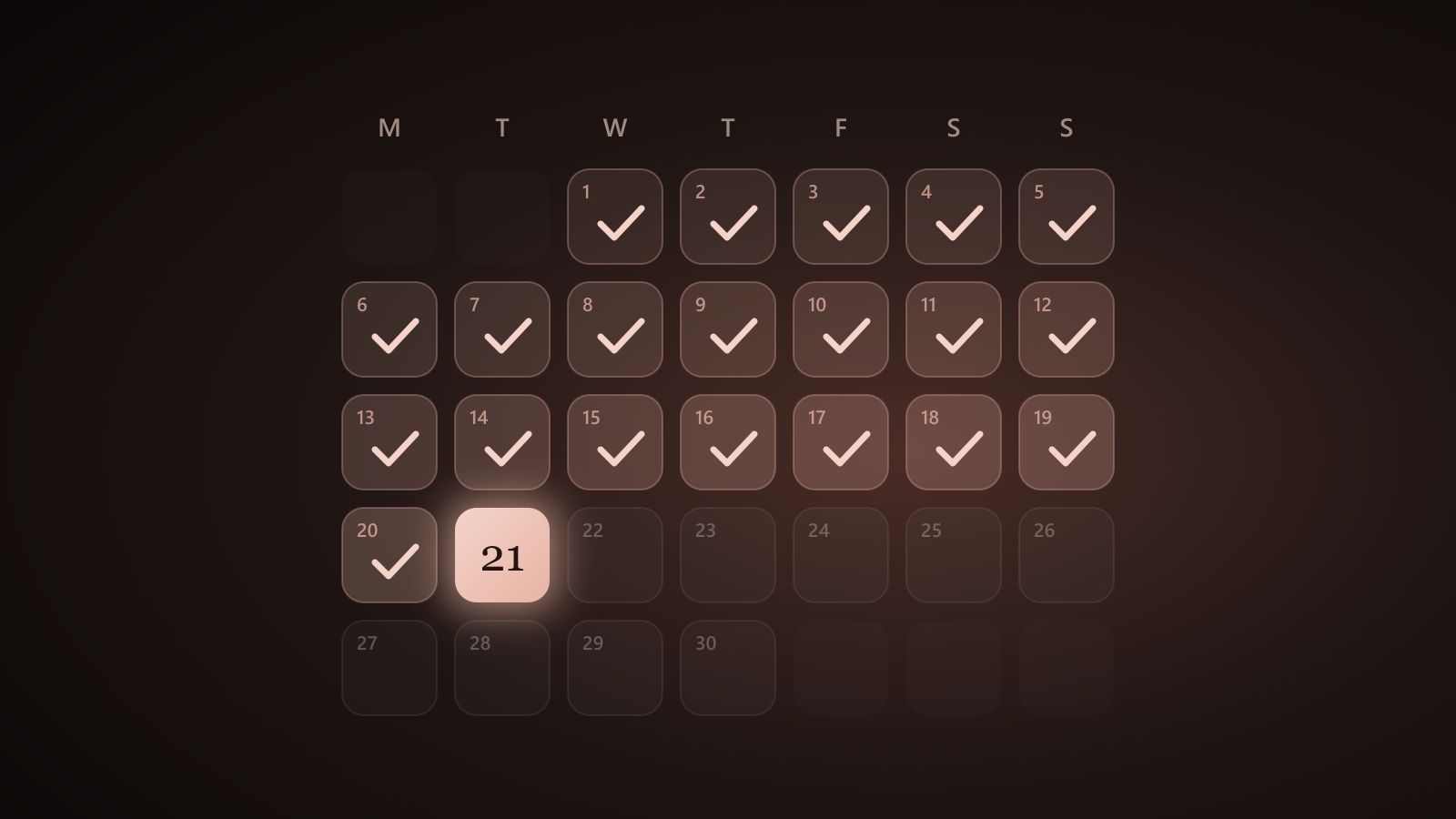
- Pick your start date and write down why. The reason matters more than the date. Read it whenever the urge hits. Our free no contact day counter shows how many days you’ve done and your next milestone.
- Mute, archive or unfollow. Muting hides their posts without a message to them. Block them if they keep contacting you, or if you feel unsafe.
- Hide the thread. Archive your chat so it isn’t the first thing you see. Move photos into a hidden album rather than deleting them in a rush.
- Tell one friend. Ask them to check in on you, and not to pass on news about your ex.
- Deal with loose ends in one go. If you need to return things or settle a bill, send one short, neutral message and arrange it.
- Decide what you’ll do instead of texting. Write it down now, while you’re calm. A walk, a call to your friend, or writing the message somewhere it can’t be sent.
- Plan for the hard hours. Late nights, weekends and after a few drinks are hard hours for a lot of people. Know where your phone will be.
For the moment the urge actually arrives, our guide on how to stop texting your ex has a step-by-step plan.
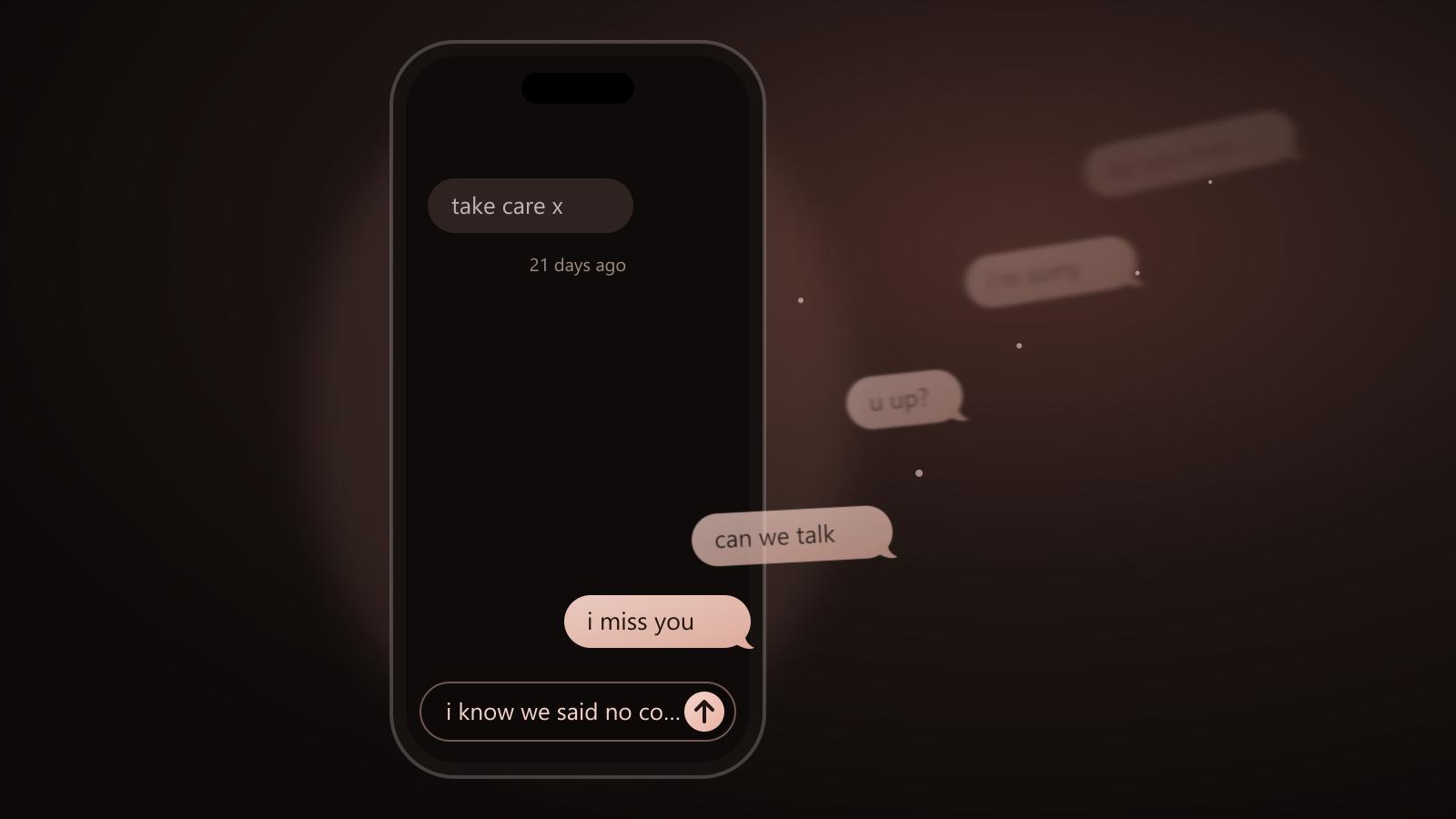
That message is the kind that feels harmless at 11pm. Writing it down without sending it lets the feeling out without restarting the clock. The Unsent app is built around that idea: a no contact timer with milestones, a place called the Void for the messages you shouldn’t send, and an Evidence Locker for the reasons you left.
What if you can’t go fully no contact?
Sometimes full no contact isn’t possible: you share children, work together, or are still on the same lease. In that case, aim for low contact, which keeps communication to what’s necessary and nothing else.
- Keep it to logistics. Pickup times, rent, a work handover. No “how are you,” no catching up.
- Keep it short and neutral. A message about Saturday’s pickup should read like a message about Saturday’s pickup.
- Use one channel. Email or a shared calendar can feel less personal than texting.
- Set times. Answering practical messages once a day stops the phone becoming a constant thread back to them.
If there’s a custody arrangement, a shared tenancy or anything legal to sort out, a family lawyer, mediator or housing adviser is the right person to ask.
When is no contact the wrong way to think about it?
When it’s a tactic
A lot of advice online sells no contact as a way to make your ex miss you. If that’s the plan, you’re still organizing your days around their reaction, checking whether it’s “working.” That keeps you hooked. No contact helps most when the goal is your own recovery, whatever they do.
When you feel unsafe
If your ex was controlling, threatening or abusive, no contact is about safety, not a countdown. Block them, tell someone you trust, and keep a record of anything they send. If you’re in danger, contact emergency services now. You can find help lines on our support page.
When it starts to feel like punishment
No contact isn’t about proving a point. You don’t need to announce it, and you don’t need to explain it. If you want to say something once, “I need space, so I won’t be in touch,” is enough.
What happens if you slip?
You reach out, or you reply when you meant not to. It happens. It doesn’t erase the days you already did. Read what to do if you broke no contact, then pick a start date again.
The rule is simple, and keeping it is hard. Be patient with yourself, and take it one day at a time.
Sources
This article is general information written by the Unsent team, not therapy or professional advice. If you are struggling or feel unsafe, find a help line here.